
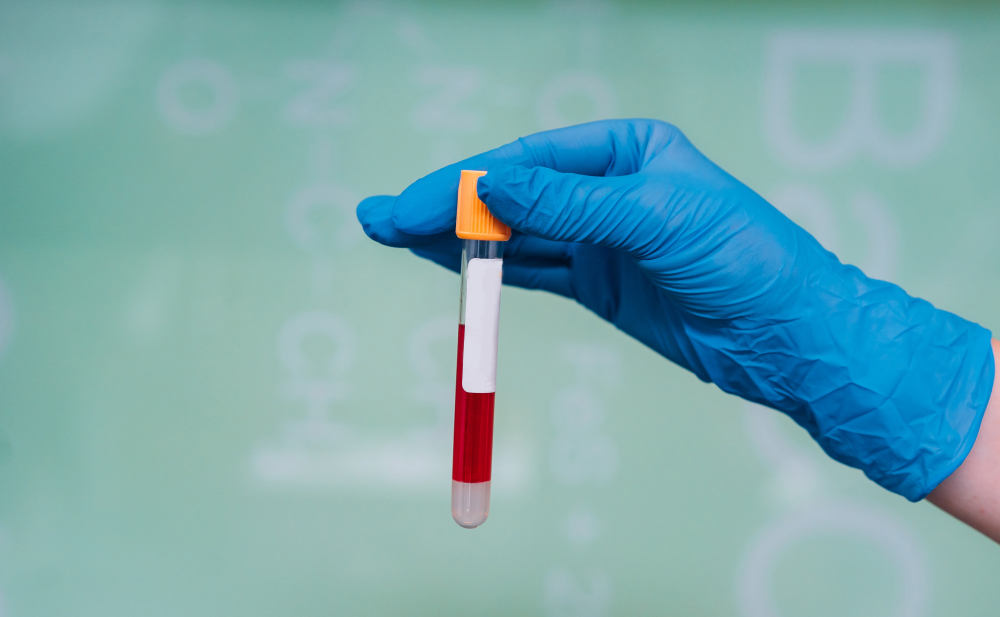
What is a Typhoid Test?
A typhoid test helps doctors find out if you have typhoid fever. Typhoid is a serious illness caused by the Salmonella Typhi bacteria. Early testing is important because it helps start treatment quickly. In many places, a typhoid test is easy to get at clinics or hospitals.
Why is a Typhoid Test Needed?
Sometimes, typhoid symptoms look like other common illnesses. Because of this, a typhoid test is needed to confirm the diagnosis. Early testing can prevent problems and help you recover faster. If you live in or travel to areas where typhoid is common, testing is even more important.
Common Symptoms Leading to a Typhoid Test
Doctors may suggest a typhoid test if you have certain symptoms. These symptoms often appear one to three weeks after infection. If you notice these signs, you should talk to a doctor:
However, not everyone gets all these symptoms. Sometimes, they can be mild or hard to notice.
Types of Typhoid Tests
There are several ways to check for typhoid. Each test has its own use. The most common types include:
Each test has its own strengths and weaknesses. Your doctor will choose the best one for your situation.
How is a Typhoid Test Performed?
Most typhoid tests are simple and quick. Here is what usually happens:
Usually, you do not need special preparation. However, your doctor may give you instructions if needed. For example, you may be asked not to eat or drink before the test.
Understanding Typhoid Test Results
After the test, your doctor will explain the results. Here is what they mean:
Because some tests can give false results, doctors may use more than one test to be sure.
Accuracy and Limitations of Typhoid Tests
Although blood culture is the most accurate typhoid test, it may not always find the bacteria, especially if you have started antibiotics. The Widal test and rapid tests are faster but can sometimes give false results. Therefore, doctors often use a mix of tests and look at your symptoms before making a diagnosis. According to the World Health Organization (WHO), no single test is perfect for typhoid diagnosis.
Cost and Accessibility of Typhoid Tests
Typhoid test cost can vary by location and type of test. In many cities and rural areas, basic tests like the Widal test are affordable and widely available. Blood cultures and rapid tests may cost more but are often more reliable. Many clinics and hospitals offer typhoid tests, so you can ask about options in your area. In some countries, government health centers provide free or low-cost testing.
When to Consult a Doctor
If you have symptoms of typhoid or have been in contact with someone who has it, you should consult a doctor. Early testing and treatment can help prevent serious complications. Even if your symptoms are mild, it’s better to get checked. Do not wait for symptoms to worsen before seeking medical advice.
If you suspect typhoid, consult a healthcare specialist at New Tech Solutions India Limited for proper testing and personalized guidance.