
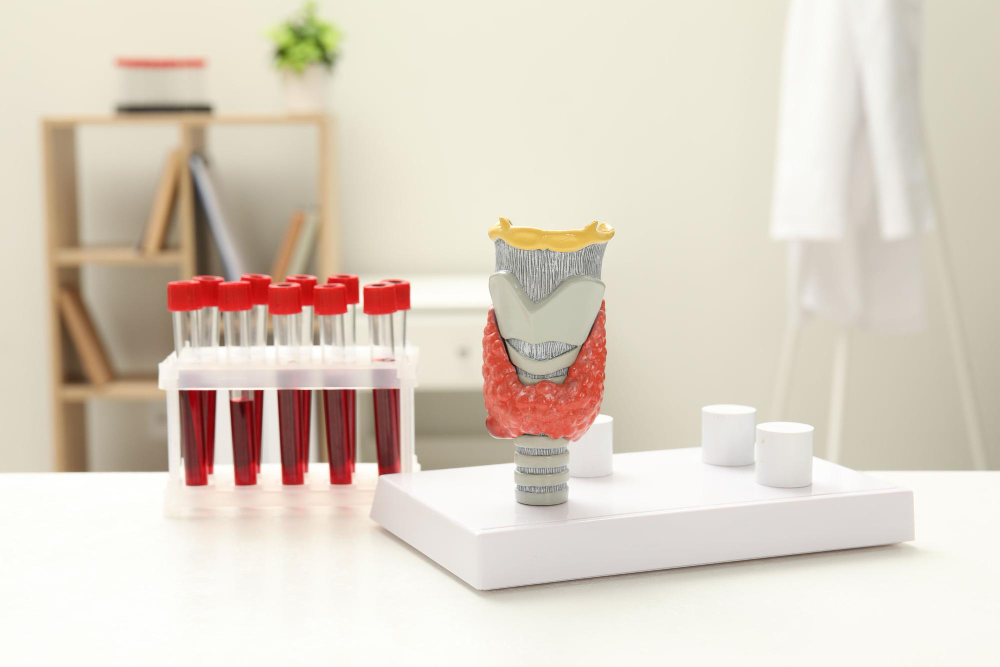
What Are Thyroid Panel Tests?
Thyroid panel tests are blood tests that check how well your thyroid is working. The thyroid is a small gland in your neck. It makes hormones that help control your body’s energy and metabolism. Because these hormones affect many body functions, thyroid panel tests are important for your health. Many doctors call these tests a thyroid function test or a thyroid health check. The main tests include TSH (thyroid-stimulating hormone), T3, and T4 levels.
Common Symptoms That May Prompt Testing
Sometimes, your doctor may suggest a thyroid panel test if you have certain symptoms. For example, you may notice:
Because these symptoms can be caused by other problems, it is important to get tested if you notice them.
Causes and Risk Factors for Thyroid Issues
Many things can cause thyroid problems. For instance, your immune system may attack your thyroid. This is called an autoimmune disease. Sometimes, thyroid issues run in families. Other risk factors include:
According to the World Health Organization (WHO), thyroid issues are common worldwide. Early testing helps prevent complications.
How Thyroid Panel Tests Are Performed
Usually, a thyroid panel test is simple and quick. First, a healthcare worker takes a small blood sample from your arm. You may need to fast or avoid certain medicines before the test. Therefore, always ask your doctor how to prepare for thyroid panel tests. The blood sample goes to a lab, where experts check your TSH levels and other thyroid hormones. Most people feel only a small pinch during the blood draw.
Understanding Test Results
After the test, your doctor will explain the results. Here is what they may look for:
Sometimes, results can be affected by pregnancy, illness, or certain medicines. Because of this, your doctor may order more tests if needed. The Centers for Disease Control and Prevention (CDC) notes that regular thyroid health checks can help catch problems early.
Treatment Options Based on Results
Treatment depends on your test results. If you have an underactive thyroid, your doctor may suggest daily medicine to replace missing hormones. On the other hand, if your thyroid is overactive, you may need medicine to slow it down. In some cases, surgery or other treatments may be needed. Your doctor will choose the best plan for you.
Lifestyle Guidance and Prevention Tips
While you cannot prevent all thyroid problems, you can support your thyroid health. For example:
Additionally, let your doctor know if you notice new symptoms. Early action can help prevent serious problems.
Conclusion
In summary, thyroid panel tests are key for checking your thyroid health. They help find problems early and guide treatment. If you have symptoms or risk factors, talk to your doctor about getting tested. Consult at New Tech Solutions India limited for personalized advice about thyroid panel tests.