
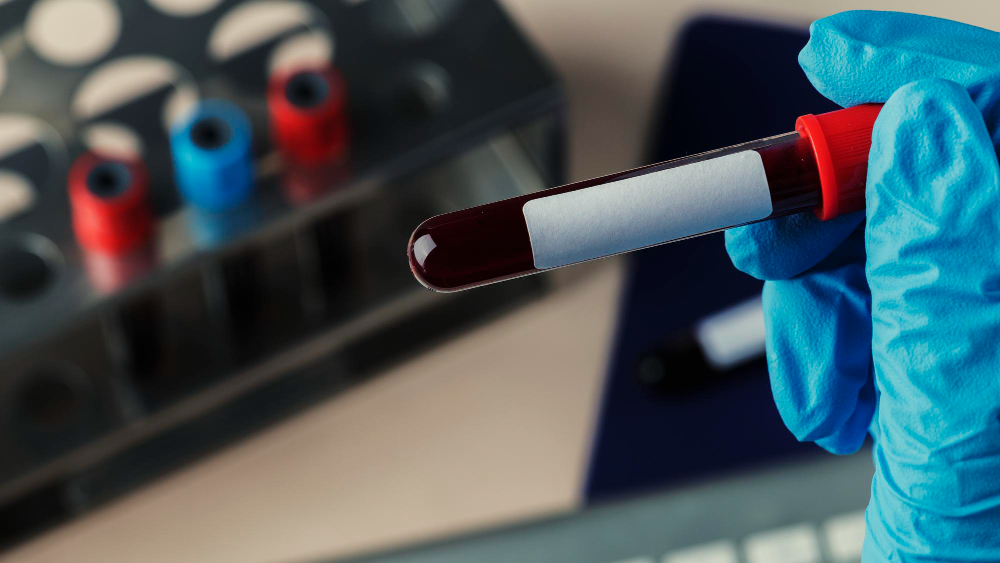
An arterial blood gas test, often called an ABG test, is a simple blood test. It checks how well your lungs move oxygen into your blood and remove carbon dioxide. Doctors use this test to help diagnose and monitor breathing or lung problems. Because the arterial blood gas test gives quick results, it is important in emergencies and hospital care.
What Is an Arterial Blood Gas Test?
Simply put, an arterial blood gas test measures the levels of oxygen and carbon dioxide in your blood. It also checks the acid-base balance, which shows how well your lungs and kidneys are working. Unlike most blood tests, this one uses blood from an artery, not a vein. Usually, the sample comes from your wrist, but sometimes it may come from your arm or groin.
Why Is the Test Done? (Purpose and Indications)
Doctors order an arterial blood gas test for several reasons. For example, it helps them:
Additionally, this test may be used before or after surgery, especially if you have lung or heart issues. Because it gives fast results, doctors can quickly adjust your care if needed.
How Is the Test Performed? (Step-by-step Procedure)
Although the arterial blood gas test is quick, it follows careful steps. Here is what usually happens:
Because arteries are deeper than veins, you might feel more discomfort. However, the process only takes a few minutes.
What Do the Results Mean? (Interpretation Basics)
Once the test is done, the lab checks your blood for several things:
Doctors use these results to spot problems like low oxygen, high carbon dioxide, or acid-base imbalances. For example, low oxygen may mean your lungs are not working well. High carbon dioxide can signal breathing trouble. However, only a doctor can explain what your results mean for you.
Risks and Side Effects
Most people have no serious problems after an arterial blood gas test. Still, some side effects can happen. For instance, you may feel:
Because arteries have higher pressure than veins, pressing on the spot after the test helps prevent bleeding. If you notice severe pain, swelling, or numbness, let your doctor know right away.
How to Prepare for the Test
Usually, you do not need to do much to get ready for an arterial blood gas test. However, your doctor may give you special instructions. For example:
Because the test is quick, you can often return to your normal activities right after.
Frequently Asked Questions
Conclusion
An arterial blood gas test is a quick and important way to check your lung and kidney health. Because it gives fast results, doctors often use it in emergencies. If you have questions or concerns, consult your healthcare provider at New Tech Solutions India Limited for personalised guidance regarding arterial blood gas (ABG) tests.