What is an HIV Test?
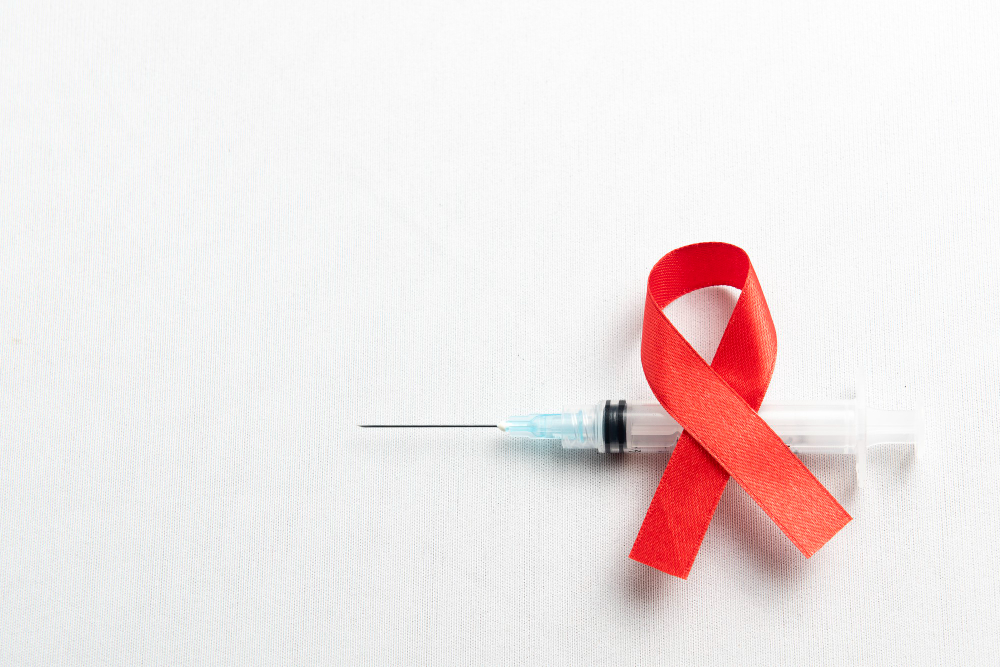
An HIV test checks if you have the human immunodeficiency virus (HIV) in your body. This virus weakens your immune system. Early detection of HIV is important for your health and for stopping the spread to others. The HIV test is simple and quick. Many people do not know they have HIV because symptoms may not appear for years. Therefore, regular HIV screening helps keep you and your loved ones safe.
Why is HIV Testing Important?
Getting tested for HIV is very important. First, it helps you know your status. If you test positive, you can start treatment early. Early treatment helps you live a longer, healthier life. Also, knowing your status helps prevent passing HIV to others. In addition, HIV testing reduces the spread of the virus in your community. According to the CDC, about 1 in 7 people with HIV in the United States do not know they have it. So, regular HIV screening is key for everyone.
Types of HIV Tests
There are different types of HIV tests. Each test checks for HIV in a different way. Here are the main types:
Each test has its own window period. This is the time between getting HIV and when the test can detect it. For example, NATs can find HIV sooner than other tests.
When Should You Get Tested?
Many people wonder when to get an HIV test. You should get tested if:
Even if you do not have symptoms, regular HIV screening is a good idea. The CDC suggests everyone between 13 and 64 years old get tested at least once. People at higher risk should test more often.
How is the HIV Test Performed?
The HIV test process is simple and safe. Most tests use a small blood sample or oral fluid. Here is how the HIV screening process usually works:
After the test, you will get your results and advice on what to do next. If you test positive, more tests may be needed to confirm the result.
Understanding Your HIV Test Results
It is normal to feel nervous about your HIV test results. However, understanding them is important. Here is what your results mean:
Most HIV tests are very accurate. Still, the accuracy depends on the type of test and when you take it. If you have questions about how accurate is the HIV test, ask your healthcare provider.
Frequently Asked Questions About HIV Testing
Where to Get an HIV Test
If you have questions or concerns, consult a healthcare professional for personalized advice. At New Tech Solutions India Limited, we’re committed to guiding you toward the right resources for your health needs.