
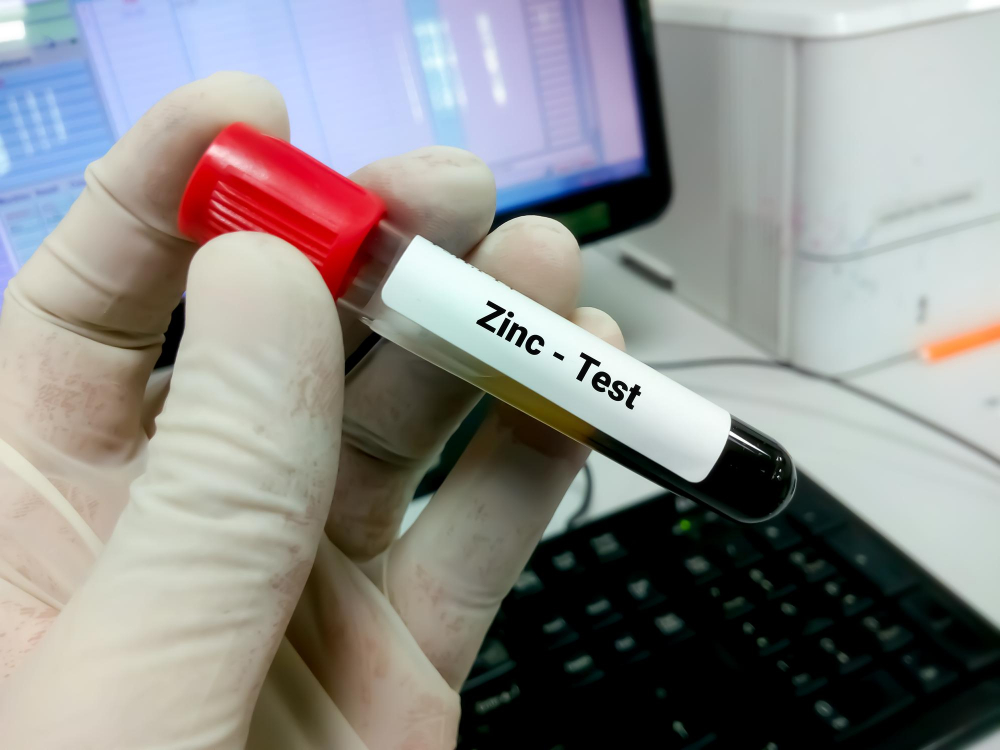
What Is a Zinc Test?
A zinc test is a simple blood test that measures the amount of zinc in your body. Zinc is a mineral your body needs for many functions. For example, it helps your immune system, wound healing, and growth. Doctors use the zinc test to check if you have too little or too much zinc. This test is also called a zinc blood test.
Why Is a Zinc Test Important?
Zinc plays a key role in your health. Without enough zinc, your body cannot fight infections well. In addition, zinc helps your body heal cuts and supports normal growth. Because of this, a zinc test can help find problems early. It can also guide your doctor in treating you. According to the World Health Organization (WHO), zinc deficiency is common in many parts of the world.
Symptoms That May Prompt a Zinc Test
Sometimes, your doctor may suggest a zinc test if you have certain symptoms. These symptoms can be signs of low zinc levels. For instance, you may notice:
If you have these symptoms, a zinc test can help with zinc deficiency diagnosis.
How the Zinc Test Is Performed
The zinc test procedure is quick and easy. First, a healthcare worker will clean your arm. Next, they will use a small needle to take a blood sample from your vein. After that, the blood goes to a lab for testing. You may feel a small pinch, but the test is safe. Usually, you can go home right after the test.
Understanding Zinc Test Results
Once your results are ready, your doctor will explain them. Normal zinc levels in the blood are usually between 70 and 120 micrograms per deciliter (mcg/dL). However, these numbers can vary by lab. If your zinc level is low, you may have a zinc deficiency. On the other hand, high levels can mean you have too much zinc. Both low and high zinc can affect your health.
Treatment and Next Steps If Results Are Abnormal
If your zinc test shows abnormal results, your doctor will discuss what to do next. For low zinc, you may need:
If your zinc is too high, your doctor may ask you to stop taking zinc supplements. Sometimes, they will look for other causes. In any case, follow your doctor’s advice for the best results.
Tips for Maintaining Healthy Zinc Levels
There are simple ways to keep your zinc levels healthy. For example, you can:
With these steps, you can help prevent zinc problems.
Prevention and Lifestyle Guidance
To prevent zinc deficiency, eat a balanced diet every day. Include foods like lean meats, dairy, seeds, and legumes. Also, avoid taking too many supplements without medical advice. If you have a health condition that affects how your body absorbs nutrients, let your doctor know. Regular check-ups can help catch problems early. In summary, healthy habits support normal zinc levels and overall well-being.
Visit New Tech Solutions India Limited for tailored advice on zinc testing and its significance for your overall health.